Many beginners are confused when they see both "Futures" and "Margin" on Binance — aren't they both tools for amplifying returns? What's the difference? While both involve borrowing to increase position size, they differ fundamentally in trading mechanics, risk profiles, and use cases. Understanding these differences helps you choose the right approach. Sign up on Binance to explore both features in the app.
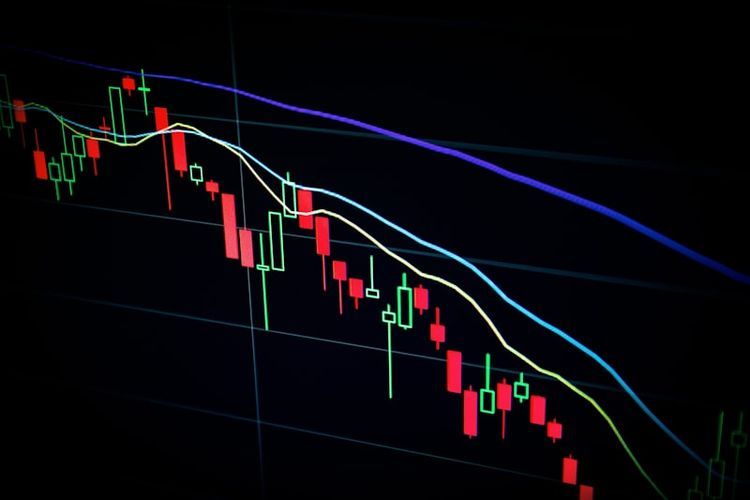
What Is Margin Trading?
Margin trading is borrowing funds from the platform to amplify your trading position on the spot market. You're actually buying or selling real cryptocurrency — just with borrowed money.
Key Characteristics
- Real assets: You actually own the corresponding cryptocurrency
- Borrowing interest: You pay interest on borrowed funds, calculated hourly
- Lower leverage: Typically offers 3x to 10x leverage
- Withdrawable: Since you truly own the tokens, you can theoretically withdraw them
- Isolated/Cross modes: Supports both isolated and cross margin modes
Example
Say you have 100 USDT and use 3x leverage:
- You borrow 200 USDT, buying 300 USDT worth of Bitcoin total
- If Bitcoin rises 10%, your profit is 30 USDT (before interest) — a 30% return on capital
- If Bitcoin drops 10%, your loss is also 30 USDT — a 30% loss on capital
What Is Futures Trading?
Futures trading involves trading derivative contracts on cryptocurrency, not the cryptocurrency itself. You don't need to actually hold Bitcoin — you just predict its price direction.
Key Characteristics
- No physical asset: You're trading contracts, not actual cryptocurrency
- Higher leverage: Up to 125x leverage available
- Two-way trading: Easily go long or short
- Perpetual contracts: Binance perpetual contracts have no expiration date
- Funding rate: Paid or received every 8 hours
Example
Say you have 100 USDT and use 10x leverage to go long on Bitcoin:
- You control a 1,000 USDT position
- If Bitcoin rises 1%, you profit 10 USDT — a 10% return on capital
- If Bitcoin drops 1%, you lose 10 USDT — a 10% loss on capital
- If it drops to the liquidation price, you may lose all your margin
Key Differences
What You're Trading
- Margin: Real cryptocurrency
- Futures: Price derivative contracts
Leverage Available
- Margin: Typically 3x to 10x
- Futures: Up to 125x
Shorting Mechanism
- Margin: Must borrow tokens first, then sell — relatively complex
- Futures: One-click shorting — very simple
Fee Structure
- Margin: Hourly borrowing interest + trading fees
- Futures: Trading fees + 8-hourly funding rate
Liquidation Risk
- Margin: Lower leverage means relatively lower liquidation risk
- Futures: High leverage means extremely high liquidation risk
Download the Binance App to access both margin and futures functions from the trading page.
When to Use Margin Trading
Suitable Scenarios
- Want to hold real cryptocurrency but lack sufficient funds
- Have strong conviction in market direction and want low-leverage amplification
- Prefer lower-risk leveraged trading
- Need to borrow tokens for shorting but don't require high leverage
Not Suitable When
- You want high-leverage trading
- You frequently switch between long and short
- You're sensitive to borrowing interest costs
When to Use Futures Trading
Suitable Scenarios
- Want to trade with higher leverage
- Need the flexibility to go long and short easily
- Doing short-term and intraday trading
- Want to control a larger position with less capital
Not Suitable When
- You're a complete beginner with zero trading experience
- You can't handle the risk of rapid losses
- You want to hold cryptocurrency long-term
What Should Beginners Choose?
If you're new, the recommended learning path is:
- Start with spot trading: No leverage — familiarize yourself with buy/sell operations and market volatility
- Try low-leverage margin trading: Use 2-3x leverage to experience the amplification effect
- Consider futures last: After fully understanding the risks, try futures with small capital and low leverage
Never jump straight into high-leverage futures — it's the most common beginner mistake and the fastest way to lose money.
Sign up on Binance and start learning gradually with spot trading.
FAQ
Can I use margin and futures trading simultaneously?
Yes. Margin and futures accounts are separate — you can trade in both simultaneously. Funds need to be transferred to each respective account.
Does futures trading always result in liquidation?
Not necessarily. Liquidation depends on your leverage, position size, and market volatility. Proper leverage control and stop-losses can effectively prevent liquidation.
Is margin trading interest high?
Interest rates fluctuate based on supply and demand. During bull markets, borrowing demand is high and rates may increase; during quiet markets, rates are relatively low. Check current rates on the margin trading page.
Which is better for making money?
There's no definitive answer. Both tools can generate profits and losses. What matters is your trading strategy and risk management skills, not the tool itself.
Safety Tips
- Whether you choose margin or futures, strictly control position sizes
- Always set stop-losses — never hold losing positions hoping for a reversal
- Beginners should not use leverage above 5x
- Funds allocated to margin and futures should not exceed 20% of your total assets
- When losing, don't double down trying to recover — this typically leads to even larger losses