Futures trading is an advanced trading method in cryptocurrency that allows you to use leverage to amplify returns -- but it also amplifies risk. If you are a beginner, start with spot trading on Binance first. Sign up on Binance, then download the Binance App and practice on the demo account before considering real futures trading.
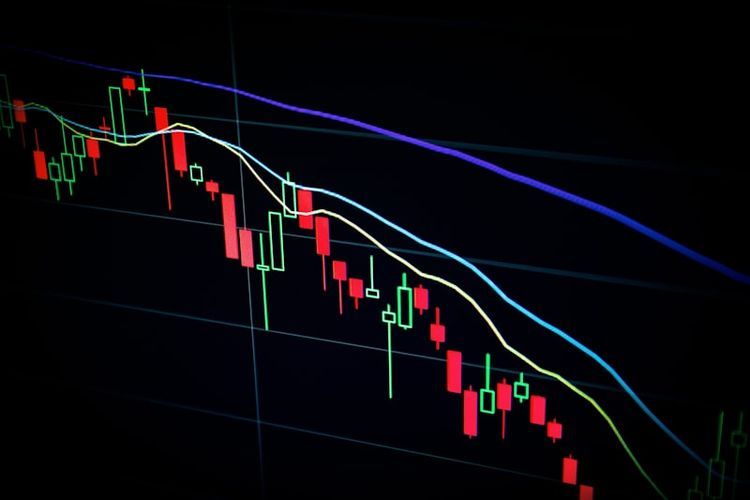
What Is Futures Trading?
Simply put, futures trading means you do not need to actually hold a cryptocurrency -- instead, you profit or lose based on the price direction. You can "go long" (bet on rising prices) or "go short" (bet on falling prices), and use leverage to amplify your position.
For example: with 100 USDT and 10x leverage, you control a 1,000 USDT position. If the price rises 10%, your profit is 100 USDT (doubling your money). But if the price drops 10%, your entire principal is wiped out (liquidation).
Types of Binance Futures
USDT-Margined Contracts
Uses USDT or BUSD as margin, with profit/loss calculated in USDT. This is the most commonly used type, suitable for most traders.
Coin-Margined Contracts
Uses the corresponding cryptocurrency as margin. For example, BTC contracts use BTC as margin. Suitable for long-term holders who want to increase their position through futures.
Basic Steps for Futures Trading
Step 1: Open a Futures Account
Find the "Futures" section in the Binance App. First-time users need to activate a futures account by completing a brief risk assessment questionnaire.
Step 2: Transfer Margin
Transfer USDT from your spot account to your futures account. Transfers are instant and fee-free.
Step 3: Choose a Trading Pair
Enter the futures trading page and select your instrument, such as the BTCUSDT perpetual contract.
Step 4: Set Leverage
Tap the leverage button and select an appropriate level. Beginners should use no more than 5x leverage.
Step 5: Place a Trade
Choose your direction (long or short), set the position size, and confirm the order.
Risk Control Is the Most Important Thing
The core of futures trading is not making money -- it is managing risk. These risk control measures are essential:
Stop-Loss Settings
Every trade must have a stop-loss. This automatically closes your position when losses reach your preset level. Keep single-trade stop-losses to 2-3% of total capital.
Position Management
Never put all your funds into a single trade. Use 10-20% of total capital as margin per trade.
Leverage Selection
Higher leverage means higher risk. Beginners should start at 2-3x, and even experienced traders should stay under 10x. Leverage above 20x is essentially gambling.

Common Futures Trading Terms
- Open position: Establish a new futures position
- Close position: Exit an existing position
- Long / Short: Buy expecting price increase / Sell expecting price decrease
- Margin: Collateral funds required to open a position
- Liquidation: System forces position closure when losses exceed margin
- Funding rate: Periodic fee exchanged between longs and shorts
- Mark price: Reference price for liquidation calculations, prevents manipulation
Common Beginner Mistakes
- Excessive leverage: The fastest way for beginners to lose money
- No stop-loss: Hoping losses will reverse, only to get liquidated
- Averaging down: Adding to losing positions, causing losses to snowball
- Overtrading: Frequent trades accumulate significant fee costs
- Emotional trading: Rushing to recover losses with irrational decisions
Recommended Learning Path
If you are committed to learning futures trading:
- Trade spot markets for 3-6 months to understand price action
- Learn basic technical analysis including candlestick patterns and moving averages
- Practice on the Binance demo account with no real money
- Start with small amounts and low leverage, under 100 USDT per trade
- Strictly follow your trading plan and stop-loss rules
Sign up on Binance to use the demo trading feature for practice.
FAQ
What is the minimum amount needed for Binance futures?
Technically a few dollars can open a position, but at least 200-500 USDT is recommended. Too little capital makes liquidation very likely.
What are the futures trading fees?
Binance futures fees are typically 0.02% for Maker and 0.04% for Taker. BNB deduction offers additional discounts.
Can I owe Binance money after liquidation?
Binance has negative balance protection. The maximum loss is your entire margin -- you will not go into debt.
Do I need to watch the market 24/7?
No. Once stop-loss and take-profit are set, you can step away. Regularly check market conditions and adjust your strategy as needed.
Safety Tips
- Futures trading is high-risk and not suitable for everyone -- beginners should proceed with extreme caution
- Never borrow money or use living expenses for futures trading
- Trade through the official Binance App to ensure security
- Do not blindly follow online "trading gurus"
- Create a plan before every trade and execute it strictly