"Spot" and "Futures" are the two main trading methods on Binance, and many beginners find it hard to tell them apart. In simple terms, spot trading means you actually buy and own the cryptocurrency; futures trading means you profit or lose based on price movements without actually holding the asset. Here's a detailed breakdown. Sign up on Binance and Download the Binance App to experience both trading methods.
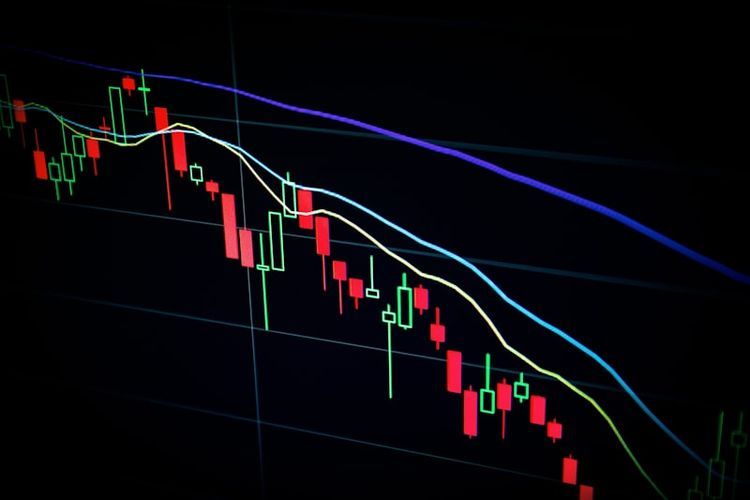
What Is Spot Trading
Spot trading is like buying goods at a market -- you pay money, receive the item, and it's yours.
On Binance, if you use USDT to buy 1 ETH, that ETH genuinely exists in your account. You can:
- Hold it long-term and wait for appreciation
- Sell it on the market at any time
- Transfer it to your own wallet
- Deposit it into savings to earn interest
Maximum loss: Your invested capital. If you spend 1,000 USDT to buy ETH, even if ETH drops to near zero, you can only lose that 1,000 USDT at most.
How you profit: Only when the price goes up. If the price drops after you buy, you're at a loss (unless it recovers).
What Is Futures Trading
Futures trading is more like placing a bet -- you don't buy the actual cryptocurrency, but settle profits and losses based on price movement.
Key characteristics:
- Go long or short: Bullish? Go long. Bearish? Go short. You can profit in either direction.
- Leverage available: Amplify your position. 10x leverage means 100 USDT can control a 1,000 USDT position.
- No actual asset ownership: You're trading a price contract, not the token itself.
Maximum loss: You could lose your entire margin (liquidation). The higher the leverage, the closer the liquidation price is to your entry price.
How you profit: You can profit whether prices rise or fall, depending on whether your directional call is correct.
Core Differences at a Glance
| Feature | Spot Trading | Futures Trading |
|---|---|---|
| Own the asset | Yes | No |
| Leverage | None (1x) | 1x-125x |
| Short selling | No | Yes |
| Liquidation risk | None | Yes |
| Funding rate | None | Settled every 8 hours |
| Suitable for | Everyone | Experienced traders |
| Complexity | Low | High |
| Profit potential | Steady | High but risky |
Illustrative Example
Assume Bitcoin is currently priced at 100,000 USDT and you have 1,000 USDT.
Spot Purchase
- You buy 0.01 BTC
- If BTC rises to 110,000: You profit 100 USDT (10% return)
- If BTC drops to 90,000: You lose 100 USDT (10% loss)
- If BTC drops to 0: You lose 1,000 USDT (entire principal)
Futures Long (10x Leverage)
- Use 1,000 USDT margin to go long, notional position 10,000 USDT (0.1 BTC)
- If BTC rises to 110,000: You profit 1,000 USDT (100% return -- doubled!)
- If BTC drops to 90,000: You lose 1,000 USDT (liquidated, entire margin gone)
- Only a 10% drop triggers liquidation

Which Should Beginners Choose
Beginners Are Strongly Advised to Start with Spot
Reasons:
- No liquidation: Spot trading has no forced closure risk; as long as you don't sell, the loss isn't realized
- Simple and intuitive: Buy, hold, sell when it appreciates -- straightforward logic
- Less psychological pressure: No need to watch charts constantly or worry about getting liquidated
- Lower learning curve: No need to understand leverage, margin, liquidation prices, and other advanced concepts
When to Consider Futures
- You've been spot trading for at least 3 to 6 months
- You understand candlestick charts, technical analysis, and other basics
- You can enforce strict stop-losses and position sizing
- You're using money you can completely afford to lose
- Your mindset is stable and won't spiral from losses
Combined Strategies
Many experienced traders use both spot and futures simultaneously:
Strategy 1: Spot-Heavy, Futures-Light
- Majority of funds in spot positions (tokens you're bullish on long-term)
- A small portion in futures (to capture short-term volatility)
- For example, 80% spot + 20% futures
Strategy 2: Spot Holdings + Futures Hedge
- Hold BTC and other majors in spot
- Use short futures positions to hedge risk when the market looks like it may crash
- Similar to buying insurance
Strategy 3: Futures Dual-Direction Orders
- Set both long and short conditional orders at key price levels
- Capture breakout moves regardless of direction
- Requires advanced technical analysis skills
Sign up on Binance and practice in the spot market first; consider futures once you've gained experience.
FAQ
Can I hold spot positions indefinitely to wait for recovery?
Yes, spot trading has no liquidation mechanism. However, if the token's fundamentals deteriorate severely, its price may never recover.
Will futures always get liquidated?
Not necessarily. With low leverage, small positions, and well-placed stop-losses, it's possible to be consistently profitable. That said, statistics show most futures traders end up at a loss overall.
Do I need a separate account for futures?
No separate account is needed, but you do need to enable the futures trading feature in the Binance App and complete the risk assessment.
Are futures fees higher than spot?
Futures base rates are actually lower. However, because leverage is used, the total fees calculated on the notional value can end up being higher.
Safety Tips
- Beginners should gain experience in the spot market first
- Never use funds exceeding what you can afford to lose for futures trading
- Trade through the official Download the Binance App platform
- Always set stop-losses for futures trades
- Don't blindly follow other people's trading signals for futures